






Insulation & Earth Resistance Tester
Looking for high-precision insulation resistance testers for power safety compliance? Weshine Electric is a leading manufacturer of professional electrical diagnostic instruments. Our high-voltage megohmmeters, earth ground grid testers, suspension insulator meters, and surge arrester analyzers evaluate insulation degradation, measure grounding grid resistance, and detect leakage current paths before catastrophic breakdowns occur. Explore our complete Electrical Test Equipment catalog or browse our specialized Insulation Resistance Tester category.
Need technical specifications or competitive factory pricing?
-
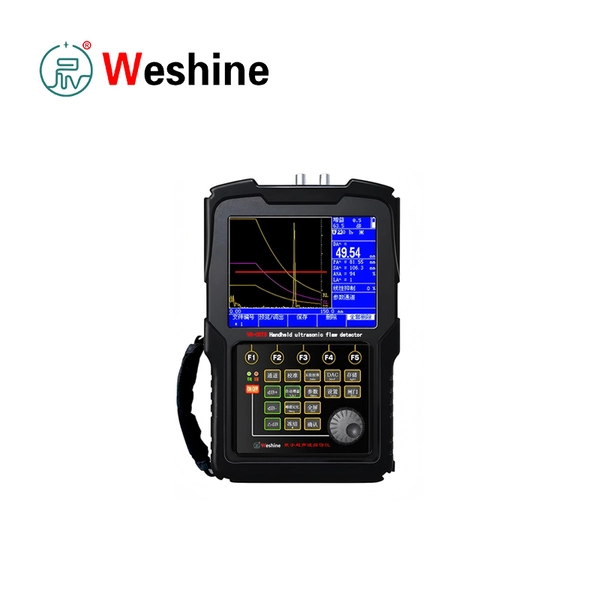
Partial Discharge Free AC Withstand Voltage Test System | VS-W50-250
-
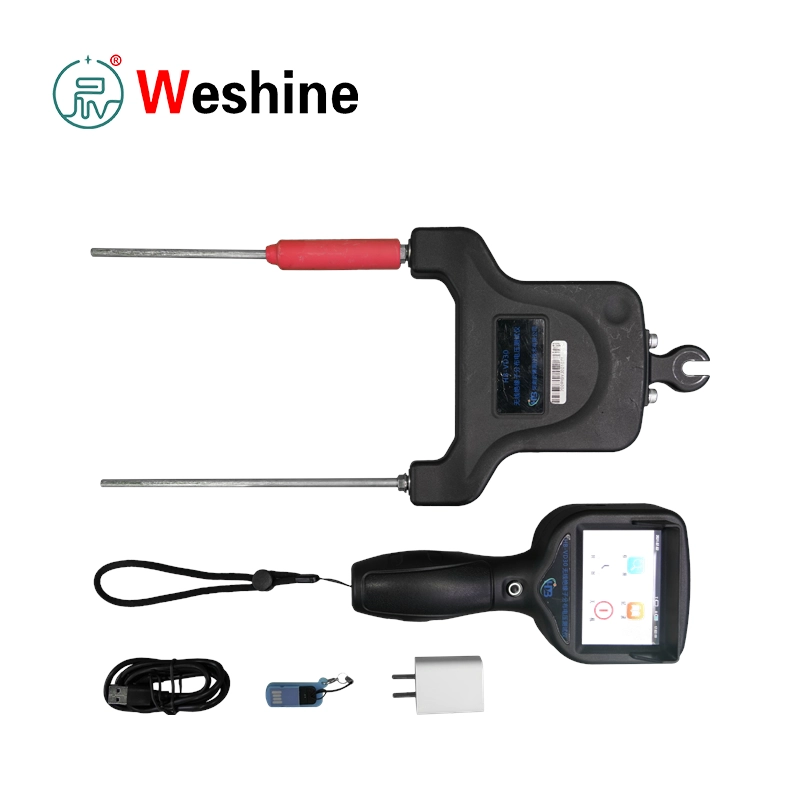
Wireless Insulator Voltage Tester | VS-8620
-
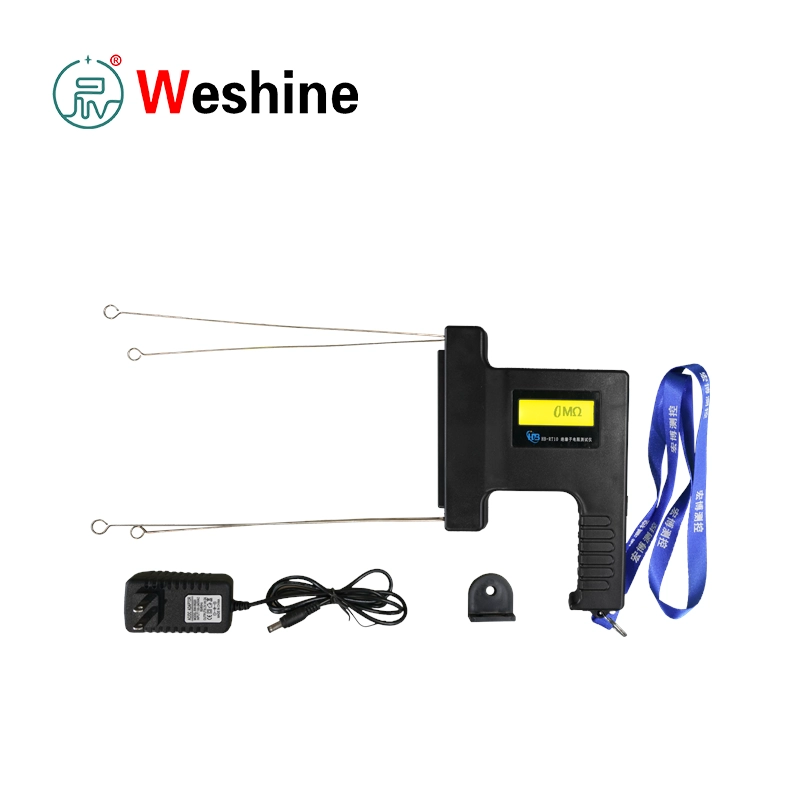
Suspension Insulator Resistance Tester | VS-8612
-
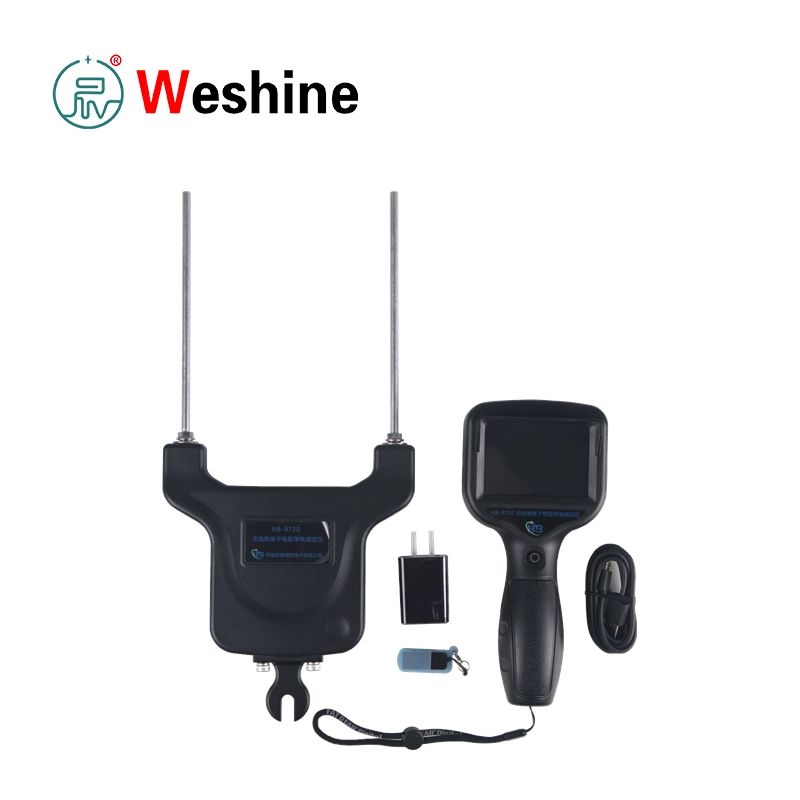
10kV Digital Insulation Resistance Tester | VS-8611
-
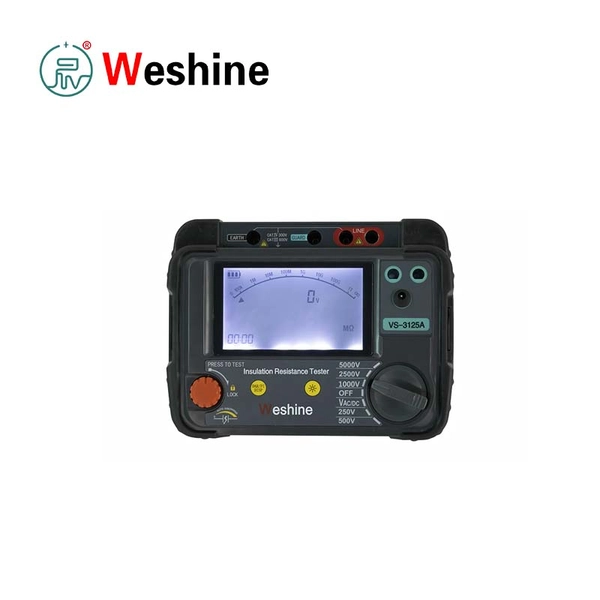
5kV High Voltage Insulation Tester | VS-3125A
-
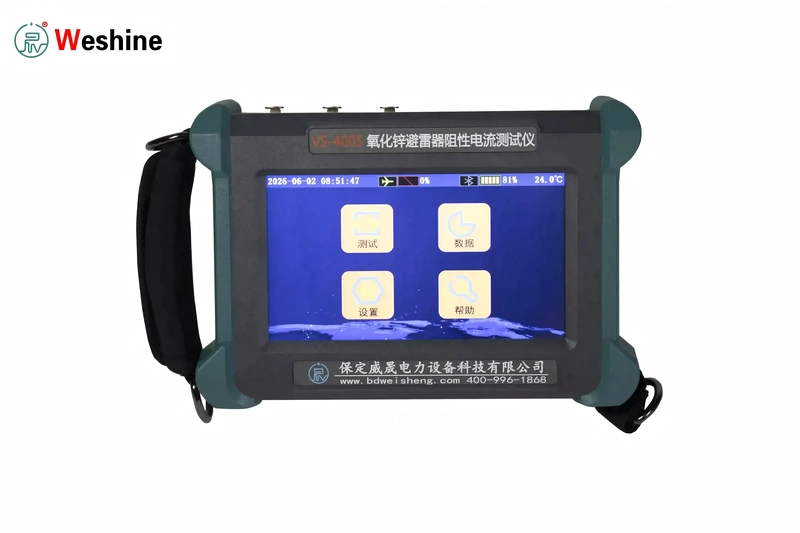
Handheld MOA Resistive Current Tester | VS-400S
-
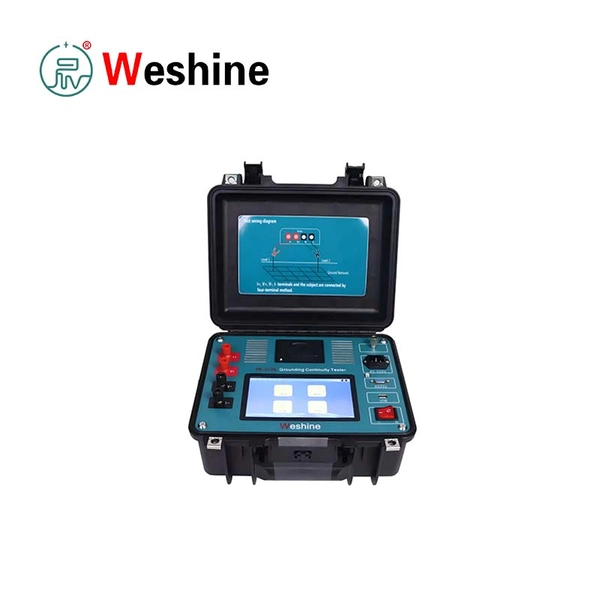
10A Ground Continuity Tester | VS-2110
Insulation & Earth Resistance Tester for Electrical Safety Testing
Electrical insulation and grounding systems are foundational to maintaining the safety, continuity, and operational reliability of power networks. Over time, high-voltage equipment suffers thermal stress, environmental contamination, and mechanical wear. Insulation degradation, excessive leakage current, and elevated grounding resistance create severe safety hazards, unexpected breaker tripping, and costly equipment destruction.
As a trusted manufacturer and supplier of Electrical Test Equipment, Weshine Electric provides professional digital insulation resistance testers, and specialized surge arrester instruments. Designed for power utilities, substations, industrial plants, and maintenance contractors, our electrical insulation test equipment enables field technicians to execute preventive maintenance, site commissioning, and safety compliance audits accurately and efficiently.
Electrical Insulation and Grounding Testing Solutions
Reliable insulation and grounding diagnostics form the core of effective power asset management:
Insulation Resistance Measurement Helps Identify:
-
Insulation Aging & Degradation: Detecting micro-fractures, thermal treeing, and material breakdown in solid insulation.
-
Moisture Contamination: Uncovering water ingress in transformer oil, underground cable splices, and motor windings.
-
Surface Leakage Paths: Measuring conductive dirt, salt, and flashover deposits on bushing porcelain and insulator strings.
-
Dielectric Polarization Loss: Calculating Polarization Index (PI) and Dielectric Absorption Ratio (DAR) to assess deep insulation health.
Earth Resistance Testing Helps Evaluate:
-
Grounding System Effectiveness: Measuring soil resistivity and ground grid impedance under simulated fault conditions.
-
Ground Connection Integrity: Verifying low-resistance bonds between structural steel, transformer neutrals, and earth rods.
-
Electrical Safety & Protection: Ensuring substation earthing networks quickly and safely dissipate high lightning surge currents and fault energy to earth.
Insulation & Earth Resistance Tester Categories
Weshine provides a complete lineup of diagnostic categories engineered for high-voltage maintenance:
1. Insulation Resistance Tester
High-voltage digital megohmmeters designed to evaluate the insulation integrity of high-capacitance electrical assets by applying controlled DC voltages (up to 5 kV, 10 kV, or 15 kV).
-
Target Assets: Power cables, power transformers, high-voltage motors, switchgear, and generator windings.
-
Key Functions: Measures tera-ohm (TΩ) insulation resistance, leakage current, PI, DAR, and step voltage discharge.
2. Earth Resistance Tester
Digital ground grid and ground earth resistance testers built to measure soil resistivity, grounding rod resistance, and earth loop impedance.
-
Target Assets: Substation grounding grids, power plant earth networks, transmission tower bases, and lightning protection systems.
-
Key Functions: Supports 2/3/4-wire fall-of-potential testing, selective current clamp testing, and high-frequency grounding impedance analysis.
3. Insulator Tester
Dedicated field instruments engineered to evaluate the electrical and physical performance of overhead transmission and distribution insulators.
-
Target Assets: Ceramic, glass, and composite suspension or pin insulators in transmission lines, distribution networks, and switchyards.
-
Key Functions: Measures live-line voltage distribution, insulator leakage current, and zero-value (zero-resistance) defective insulators.
4. Lightning Arrester Tester
Advanced diagnostic units designed to assess the operating condition and insulation health of Metal Oxide Surge Arresters (MOA).
-
Target Assets: High-voltage zinc-oxide lightning arresters in substations, power plants, and overhead feeder lines.
-
Key Functions: Measures total leakage current, resistive current components, capacitive current, and 3rd harmonic current under live operating voltage.
Applications of Insulation & Earth Resistance Testing Equipment
Power Utilities and High-Voltage Substations
-
Equipment Commissioning: Baseline insulation and ground grid resistance testing prior to energizing new transformers, switchgear bays, and underground feeders.
-
Routine Substation Maintenance: Periodic earth resistance audits and insulation polarization index measurements to ensure grid safety.
Industrial Facilities & Power Generation Plants
-
Industrial Motor & Transformer Protection: Preventing unexpected production shutdowns in manufacturing plants, mines, and refineries by auditing motor stator insulation.
-
Control System & Panel Safety: Auditing grounding bonds and low-voltage cable insulation across industrial distribution panels.
Electrical Equipment Manufacturers & Testing Laboratories
-
Factory Acceptance Testing (FAT): Verifying dielectric strength and insulation quality on newly manufactured switchgear, power cables, and transformers.
-
Quality Assurance Compliance: Performing high-voltage insulation withstand checks to ensure products meet international manufacturing standards.
Installation and Maintenance Contractors
-
Site Verification & Troubleshooting: Lightweight, battery-powered portable field units for rapid on-site troubleshooting and safety sign-off.
Core Diagnostics & Testing Methods
Modern electrical insulation test equipment combines multiple diagnostic principles in one workflow:
| Test Method / Parameter | Diagnostic Focus | Primary Engineering Benefit |
| Insulation Resistance Measurement | Resistance value (MΩ / GΩ / TΩ) under DC voltage | Detects gross insulation breakdown, moisture, and conductive dirt paths. |
| Polarization Index (PI) / DAR | Ratio of resistance at 10 min / 1 min (PI) or 60 s / 15 s (DAR) | Evaluates dielectric absorption and moisture saturation in insulation. |
| Ground Earth Resistance | Fall-of-potential 3/4-wire impedance testing | Measures earth grid dissipation efficiency to ensure human and equipment safety. |
| Resistive Leakage Current | 3rd harmonic resistive current analysis on surge arresters | Identifies thermal aging and internal moisture ingress in zinc-oxide arresters. |
Key Features of Weshine Testing Equipment
-
Accurate High-Voltage Output: Advanced digital control delivers noise-immune high DC voltage injection (up to 15 kV) with output accuracy held strictly within ±3%.
-
High Anti-Interference Performance: Engineered with active noise filtering to obtain stable, repeatable readings even inside energized high-voltage substations with severe electromagnetic interference.
-
Portable & Weather-Sealed Field Design: Lightweight, impact-resistant enclosures with integrated heavy-duty rechargeable batteries, ideal for harsh outdoor utility environments.
-
Intelligent Data Management & Export: Digital LCD screens display test curves in real time. Internal memory stores diagnostic records for direct USB transfer and test report creation.
-
Comprehensive Operator Safety Controls: Features automatic capacitive discharge switches, live circuit warnings, overvoltage protection, and safety interlocks.
Why Electrical Insulation and Grounding Testing Is Essential
-
Prevent Catastrophic Equipment Failures: Early detection of developing insulation degradation allows maintenance teams to execute scheduled repairs before catastrophic electrical flashovers occur.
-
Ensure Operational & Human Safety: Proper ground earth resistance tester verification guarantees that lightning strikes and line-to-ground faults safely drain to earth, protecting personnel from step and touch voltage hazards.
-
Extend Asset Service Life: Routine insulation and grounding condition monitoring prevents accelerated aging caused by overheating and localized discharge.
Selection Guide: How to Choose the Right Testing Equipment
When choosing an insulation resistance tester or ground diagnostic system, consider the following parameters:
-
Operating Voltage Class: Select insulation testers matching your system rating (e.g., 2.5 kV for LV/MV equipment; 5 kV / 10 kV / 15 kV for HV transformers and generators).
-
Short-Circuit Current Capacity: High short-circuit current capability (e.g., 3 mA to 10 mA) ensures fast charging times on high-capacitance power cables and long windings.
-
Grounding Test Method Needs: For urban substations without room to drive long ground stakes, choose clamp-on or high-frequency earth resistance testers to eliminate ground rod placement.
International Standards and Compliance
Our insulation and ground testing instruments strictly align with international safety and performance benchmarks:
| Standard | Description / Focus |
| IEEE 43 | IEEE Recommended Practice for Testing Insulation Resistance of Electric Machinery |
| IEEE 81 | IEEE Guide for Measuring Earth Resistivity, Ground Impedance, and Earth Surface Potentials |
| IEC 61010-1 | Safety requirements for electrical equipment for measurement, control, and laboratory use |
| IEC 60099-4 | Metal-oxide surge arresters without gaps for AC systems – Diagnostic methods |
Why Choose Weshine Electric
Manufacturer Direct Diagnostic Quality
Weshine Electric specializes in high-voltage test equipment and power system diagnostic instruments. Developed under strict quality control, our products ensure high accuracy, measurement stability, and field safety.
Worldwide B2B Technical Support & Factory Pricing
We support global utilities, test labs, and maintenance organizations with technical consultation, calibration services, OEM/ODM solutions, and direct factory pricing.
Frequently Asked Questions
Q1: What is an insulation resistance tester used for?
An insulation resistance tester (or megohmmeter) applies a high DC test voltage to electrical conductors to measure insulation resistance (MΩ / GΩ / TΩ). It evaluates the condition of insulation materials and identifies aging, moisture contamination, or leakage paths before re-energizing equipment.
Q2: What is a ground earth resistance tester used for?
A ground earth resistance tester measures the impedance between a grounding electrode (or grounding grid) and earth ground. It verifies whether grounding networks can safely dissipate fault currents and lightning surges into the earth to protect human life and substation gear.
Q3: Why are Polarization Index (PI) and Dielectric Absorption Ratio (DAR) tested?
Resistance values change as insulation charges over time under DC voltage. Comparing resistance at specific time intervals (10 min / 1 min for PI; 60 s / 15 s for DAR) provides a normalized reading unaffected by temperature, revealing whether insulation is dry and healthy or contaminated with moisture.
Q4: How does a lightning arrester tester detect surge arrester deterioration?
A lightning arrester tester measures the resistive component of total leakage current while the arrester is energized under normal AC system voltage. An increase in 3rd harmonic resistive current directly indicates internal moisture ingress or thermal aging of zinc-oxide varistors.