






Dissolved Gas Chromatograph Analyzer
Searching for a accurate dissolved gas analyzer for transformer health diagnostics? Weshine Electric is a trusted manufacturer specializing in advanced insulation and oil analysis solutions. Our high-precision dissolved gas chromatograph analyzers provide rapid, laboratory-grade gas separation to detect early thermal, partial discharge, and arcing faults in high-voltage equipment. Fully compliant with IEC 60599 and IEEE C57.104 standards. Explore our catalog or learn more about our complete insulating oil tester lineup.
Need technical specifications or direct factory pricing?
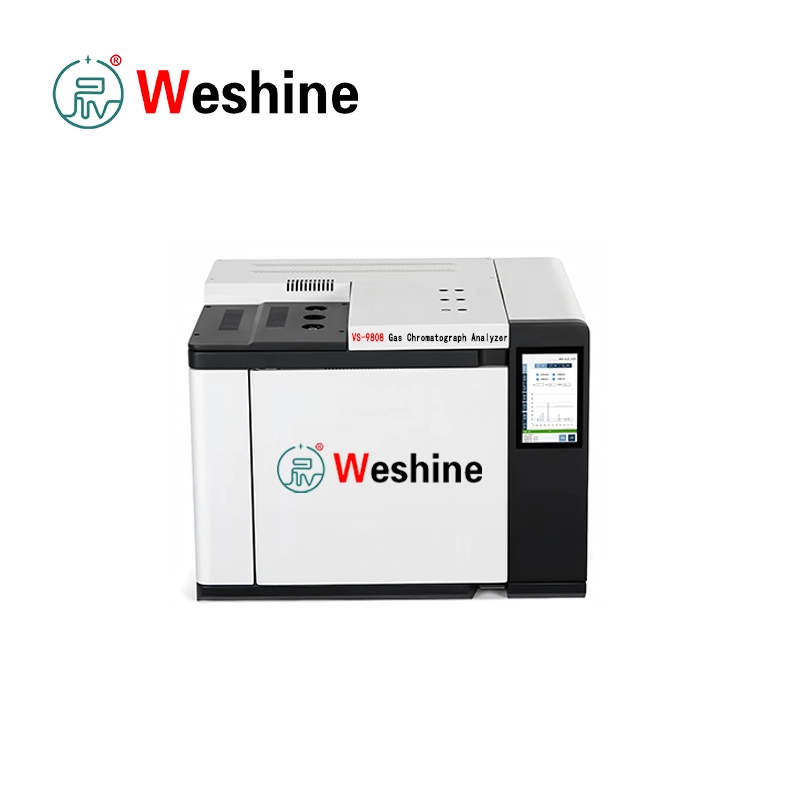
Dissolved Gas Chromatograph Analyzer & Transformer Oil DGA Diagnostic Systems
Dissolved Gas Analysis (DGA) is widely recognized as the most effective diagnostic tool for monitoring power transformer health and detecting early internal insulation faults. Electrical and thermal stresses inside operational transformers cause the degradation of mineral oil and solid insulation materials, generating characteristic fault gases.
As a specialized manufacturer of power system diagnostic equipment, Weshine Electric develops high-precision dissolved gas analyzers engineered to deliver exceptional stability, high sensitivity, and repeatable diagnostic results for power utilities, high-voltage laboratories, and industrial testing service providers.
Applications of Dissolved Gas Chromatograph Analyzers
Power Utilities & Transmission Substations
-
Condition-Based Maintenance: Transitioning from calendar-based maintenance to data-driven health assessment strategies.
-
Early Fault Detection: Spotting incipient faults such as localized overheating, severe arcing, or low-energy partial discharges before catastrophic failure occurs.
-
Routine Asset Monitoring: Tracking key fault gas generation rates across high-voltage grid transformers and reactor fleets using advanced transformer oil dga tester solutions.
Transformer Manufacturing & Factory Acceptance Testing (FAT)
-
Quality Verification: Testing insulation gas levels after heat-run and dielectric routine tests to confirm manufacturing integrity before dispatch.
-
Baseline Establishment: Recording initial gas fingerprint profiles for newly commissioned transformers to serve as future diagnostic benchmarks.
Diagnostic Testing Laboratories & Service Companies
-
Comprehensive Oil Diagnostic Services: Conducting laboratory-grade chromatographic quantification of volatile hydrocarbon gases.
-
Standard-Compliant Reporting: Delivering certified analytical reports for industrial plants, power stations, and commercial power networks.
Featured Dissolved Gas Analysis Products
Discover our flagship chromatographic analysis equipment built for accurate, multi-gas quantification:
Gas Chromatograph Analyzer
Designed specifically for transformer oil diagnostic laboratories and field testing teams. Features automated sampling systems, high-precision gas separation columns, and highly sensitive detectors for fast, reliable multi-gas determination.
-
Target Gases: H₂, CH₄, C₂H₄, C₂H₆, C₂H₂, CO, CO₂, O₂, N₂
-
Learn More: Explore Gas Chromatograph Analyzer Specifications.
Target Fault Gases and Diagnostic Purpose
Our dissolved gas analyzer systems separate and measure seven primary key gases to diagnose specific internal transformer faults:
| Key Fault Gas | Primary Fault Origin / Mechanism |
| Hydrogen (H₂) | Partial discharge (corona), electrolysis, or low-temperature thermal degradation |
| Methane (CH₄) | Low-temperature thermal overheating (< 300°C) of oil |
| Ethane (C₂H₆) | Thermal overheating of oil (300°C – 700°C) |
| Ethylene (C₂H₄) | High-temperature thermal overheating (> 700°C) of oil |
| Acetylene (C₂H₂) | High-energy electrical arcing, severe sparkover, or power breakdown |
| Carbon Monoxide (CO) | Thermal degradation and aging of cellulose (paper) insulation |
| Carbon Dioxide (CO₂) | Severe paper insulation overheating or atmospheric contamination |
Regular screening using a certified transformer oil dga tester enables engineers to calculate gas ratios (Duval Triangle, IEC 60599 Ratios) to pinpoint precise fault types.
Advanced Gas Chromatography Technology
High-Precision Separation Columns
Utilizes specialized capillary and packed chromatographic columns engineered for high separation efficiency, preventing peak overlap between light hydrocarbons.
Sensitive Multi-Detector Configuration
Integrates dual-detector configurations—Thermal Conductivity Detector (TCD) for inorganic gases (H₂, O₂, N₂) and Flame Ionization Detector (FID) with a methanizer for trace hydrocarbon and carbon oxide detection down to sub-ppm levels.
Intelligent Diagnostic Software
Equipped with proprietary digital data processing software that automatically calculates fault gas concentration ratios, displays real-time chromatograms, and generates standardized diagnostic reports based on IEC and IEEE standards.
Key Advantages of Weshine DGA Equipment
-
Exceptional Analytical Accuracy: High measurement repeatability ensures dependable quantitative analysis even for micro-ppm trace gases.
-
Early Fault Warning: Detects minor insulation anomalies long before physical symptoms or relays trigger an emergency outage.
-
Automated Operation: Features automated sampling procedures and intuitive software interfaces to simplify operator workflows.
-
Robust & Stable Performance: Engineered for stable, long-term continuous operation in both analytical laboratory and industrial environment settings.
DGA Diagnostic Standards & Guidelines
| Standard | Description |
| IEC 60599 | Mineral oil-filled electrical equipment in service – Guidance on the interpretation of dissolved and free gases analysis |
| IEEE C57.104 | IEEE Guide for the Interpretation of Gases Generated in Oil-Immersed Transformers |
| ASTM D3612 | Standard Test Method for Analysis of Gases Dissolved in Electrical Insulating Oil by Gas Chromatography |
How to Choose the Right Transformer Oil DGA Tester
When selecting a dissolved gas analyzer for your operation, consider the following technical factors:
-
Target Gas Requirements: Ensure the system covers full multi-gas analysis (H₂, CH₄, C₂H₆, C₂H₄, C₂H₂, CO, CO₂).
-
Detection Limit (Sensitivity): High sensitivity for acetylene (C₂H₂ ≤ 0.1 ppm) is critical for identifying dangerous arcing faults early.
-
Software & Ratio Diagnostics: Look for automated software that calculates Duval Triangle, Rogers Ratios, and IEC gas ratios automatically.
Why Choose Weshine Electric
Expert Diagnostic Solutions
Weshine Electric specializes in high-voltage testing and transformer maintenance equipment. Our dissolved gas analyzers seamlessly integrate with our complete insulating oil tester range to deliver comprehensive dielectric condition monitoring.
Rigorous Quality Assurance
Every instrument undergoes rigorous factory calibration and performance validation against standardized gas mixtures to guarantee zero-defect operational accuracy.
Global B2B Support & Customization
We provide global utilities, transformer factories, and commercial laboratories with tailored technical support, calibration services, and OEM/ODM solutions.
Related Products & Oil Diagnostic Categories
Explore complementary oil testing instruments from our catalog:
-
Gas Chromatograph Analyzer — High-precision chromatographic fault diagnostic analyzer.
-
Insulating Oil Tester Category Page — Comprehensive parent catalog for dielectric breakdown, trace moisture, and oil purification equipment.
-
Contact Sales Team — Request technical datasheets, quotation, or factory direct pricing.
Frequently Asked Questions
Q1: What is Dissolved Gas Analysis (DGA)?
Dissolved Gas Analysis (DGA) is a diagnostic technique that extracts and measures gases dissolved in transformer insulating oil using gas chromatography. The composition and concentration of these gases reveal internal thermal and electrical faults inside the transformer.
Q2: Which key gases are measured by a transformer oil DGA tester?
A complete DGA system measures 7 primary gases: Hydrogen (H₂), Methane (CH₄), Ethane (C₂H₆), Ethylene (C₂H₄), Acetylene (C₂H₂), Carbon Monoxide (CO), and Carbon Dioxide (CO₂), along with oxygen and nitrogen.
Q3: Why is Acetylene (C₂H₂) the most critical gas in DGA testing?
Acetylene is only generated under high-energy electrical arcing or extreme temperatures (> 700°C). Even minute trace quantities of acetylene indicate severe active sparking or insulation breakdown, requiring immediate investigation.
Q4: How often should DGA testing be conducted on power transformers?
For critical transmission transformers, DGA testing is performed annually or semi-annually during routine inspections. If abnormal gas generation trends or elevated fault gas levels are detected, testing frequency should be increased to monthly or quarterly monitoring.