






What Is a Voltage Meter and How Do Advanced Diagnostic Tools Protect Electrical Infrastructure?
August 13, 2026
A voltage meter functions as an essential diagnostic instrument that measures electrical potential difference between two points in an electrical circuit. Electrical engineers, facility managers, and safety inspectors rely on these vital devices to verify circuit safety, monitor operational status, and prevent catastrophic equipment failure. Beyond standard handheld multimeters used in basic troubleshooting, industrial applications often demand heavy-duty diagnostic systems to evaluate electrical integrity under extreme operational stress. These advanced tools ensure that power generation grids, manufacturing machinery, and large-scale commercial electrical installations operate securely within safe parameters. Understanding how different testing systems function allows industrial procurement teams to select the appropriate diagnostic hardware for their specific facility safety requirements and compliance standards.
The Core Functionality of Industrial Voltage Measurement
Measuring electrical potential requires precise internal resistance calibration and stable circuitry design. Standard meters calculate potential differences by allowing a tiny, safe current to pass through an internal resistor network. Ohm law governs this fundamental calculation, relating circuit voltage directly to current flow and resistance. Industrial operators use these baseline readings to spot voltage drops, phase imbalances, or unexpected surges before they damage sensitive operational components.
Fundamental Circuit Parameters
Electrical circuits rely on precise resistance and current relationships to maintain stable operations. Technicians monitor these parameters continuously to detect early signs of component degradation before major faults occur.
Resistance and Current Dynamics
Internal resistance calibration prevents inaccurate voltage readings during high-load operations. Small calibration drifts can lead to significant miscalculations in industrial diagnostic evaluations.
Technicians often deploy a specialized High Voltage Tester when routine diagnostics indicate potential insulation breakdown or hidden wiring faults. These specialized testers apply controlled electrical stress to isolate faults within complex industrial wiring networks safely. Regular tracking of electrical values helps plant maintenance teams schedule preventive repairs and avoid costly unplanned facility downtime. Furthermore, proper diagnostic tracking ensures that commercial properties remain compliant with international electrical safety codes and operational regulations.
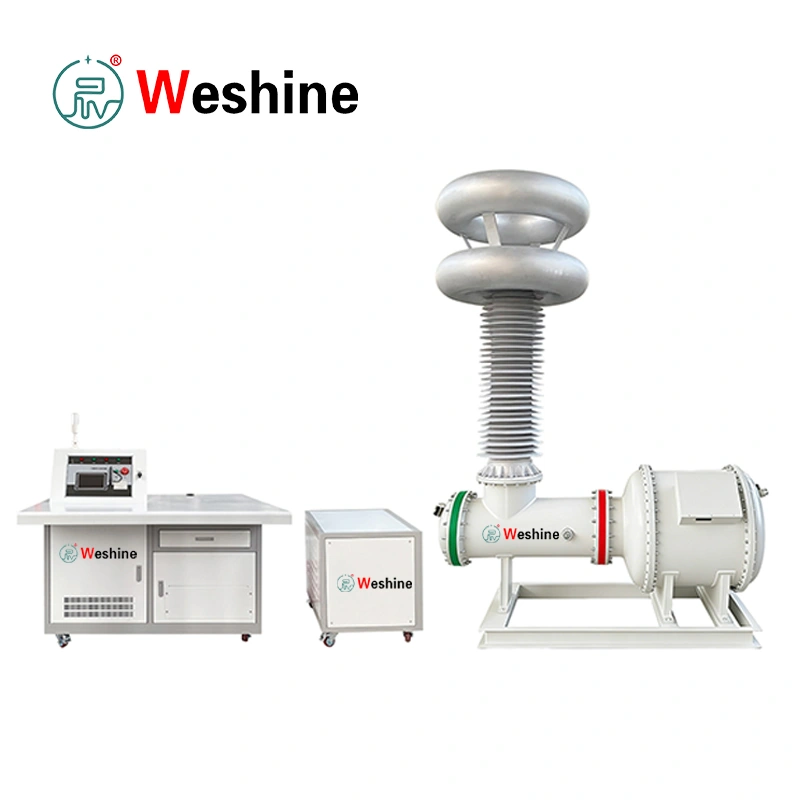
Evaluating High Voltage Test Equipment for Heavy Industries
Heavy industrial plants manage massive power loads that standard handheld multimeters cannot safely evaluate or measure. Heavy-duty manufacturing facilities require specialized High Voltage Test Equipment designed to handle immense electrical capacity without risking operator safety or damaging system infrastructure. Power generation stations, utility substations, and large manufacturing plants depend entirely on these robust systems to verify transformer performance and switchgear integrity.
When industrial facilities upgrade their testing inventory, professional engineers look for equipment that delivers stable voltage output and precise data logging capabilities. Field technicians use these heavy-duty units during routine equipment commissioning to confirm that new electrical installations meet strict national safety codes. Proper testing prevents catastrophic arc flashes, eliminates hidden short circuits, and protects facility workers from hazardous electrical shocks during daily high-pressure operations.
Comprehensive Analysis of Dielectric Strength and Insulation
Maintaining reliable power distribution requires continuous evaluation of electrical insulation materials. Over time, environmental factors such as humidity, extreme temperatures, and mechanical vibrations degrade cable insulation. Industrial maintenance teams must identify these micro-defects before they result in system-wide electrical faults or hazardous short circuits. Utilizing robust diagnostic equipment ensures that insulation barriers retain their structural and electrical resilience under maximum operating stress.
Advanced insulation analysis involves measuring leakage currents under sustained high voltage stress. If the insulation barrier contains microscopic voids or moisture contamination, leakage current increases significantly. Identifying these weaknesses early allows maintenance teams to replace degraded cables before a complete breakdown occurs. This preventative approach minimizes unexpected outages and extends the operational lifespan of heavy electrical assets.
The Role of Hipot Test Equipment in Quality Assurance
Quality control in electrical manufacturing demands rigorous safety verification before any product leaves the factory floor. Hipot Test Equipment checks the dielectric strength of electrical insulation to ensure it withstands severe overvoltage conditions without failing. This diagnostic process involves applying a voltage significantly higher than normal operating parameters to test for insulation leakage current and potential dielectric breakdown.
Manufacturing facilities integrate a reliable 500kV AC Hipot Test System into their assembly lines to screen for manufacturing flaws in transformers, motors, and high-voltage cables. If current leakage exceeds safe operational thresholds, the diagnostic system immediately flags the component for engineering review. This proactive screening prevents faulty hardware from reaching the commercial market, protecting end-users from dangerous short circuits and electrical fires.
Advanced Testing Scenarios for High-Capacity Networks
Transmission networks and large regional substations require specialized diagnostic tools capable of handling extreme electrical loads safely. Technicians assess high-capacity infrastructure using specialized Hipot Testing Equipment designed specifically for high-voltage outdoor environments. These heavy-duty systems ensure that regional power grids maintain operational stability and comply with strict national grid reliability standards.
For mid-tier substations requiring robust testing capacity, utility companies often utilize a versatile 250kV AC Hipot Test System to verify transformer bushing and underground cable insulation integrity. When dealing with ultra-high-voltage transmission lines, operators rely on a heavy-duty 100kV AC Hipot Test System to handle massive testing demands. These large-scale systems feature advanced safety interlocks, rapid discharge circuits, and digital monitoring displays to protect operators during high-stress diagnostic procedures.
Table 1: Comparison of Industrial Voltage and Insulation Testing Systems
| Equipment Type | Typical Application | Primary Diagnostic Function |
| Standard Multimeter | Low-voltage circuits | Routine voltage and resistance checks |
| 100kV AC Hipot System | Medium-voltage components | Dielectric strength and leakage testing |
| 250kV AC Hipot System | Substation infrastructure | Insulation breakdown screening |
| 500kV AC Hipot System | Ultra-high transmission lines | Massive capacity overvoltage testing |
If you need professional guidance on selecting the right diagnostic equipment for your facility requirements, please contact our team.
Maintenance Protocols and Safety Best Practices
Operating high-capacity diagnostic tools requires strict adherence to safety protocols and routine equipment maintenance schedules. Technicians must inspect test leads, grounding cables, and housing integrity before every diagnostic session. Proper equipment grounding remains mandatory to channel stray currents safely away from the operator and prevent electrical accidents. Routine calibration checks ensure that voltage measurements remain accurate over thousands of operational cycles. Facility managers should store all testing units in dry, temperature-controlled environments to protect internal circuitry from moisture accumulation and dust contamination.
Frequently Asked Questions
Q: What does a voltage meter measure?
A: A voltage meter measures the electrical potential difference between two separate points within an active electrical circuit.
Q: Why is dielectric testing necessary for industrial cables?
A: Dielectric testing verifies insulation strength and detects microscopic material flaws that could lead to dangerous electrical failure.
Q: How often should high-voltage diagnostic equipment undergo calibration?
A: Facilities should calibrate their testing hardware annually or according to manufacturer recommendations to ensure absolute measurement accuracy.
Q: Are specialized training requirements needed to operate high-voltage test systems?
A: Yes, operators must complete certified electrical safety training before handling high-capacity industrial testing equipment.
About WESHINE
WESHINE is a specialized manufacturer and global supplier focused on advanced electrical testing and diagnostic solutions. We engineer durable, high-precision equipment designed to meet the rigorous demands of power utilities, electrical contractors, and industrial manufacturing plants worldwide. Our commitment to strict quality control ensures that every diagnostic system delivers reliable performance and operator safety in demanding field environments.
Reference
- National Institute of Standards and Technology (NIST). Electrical Measurement Standards. https://www.nist.gov/pml/electromagnetics-division
- Occupational Safety and Health Administration (OSHA). Electrical Safety-Related Work Practices. https://www.osha.gov/laws-regs/regulations/standardnumber/1910/1910.333

